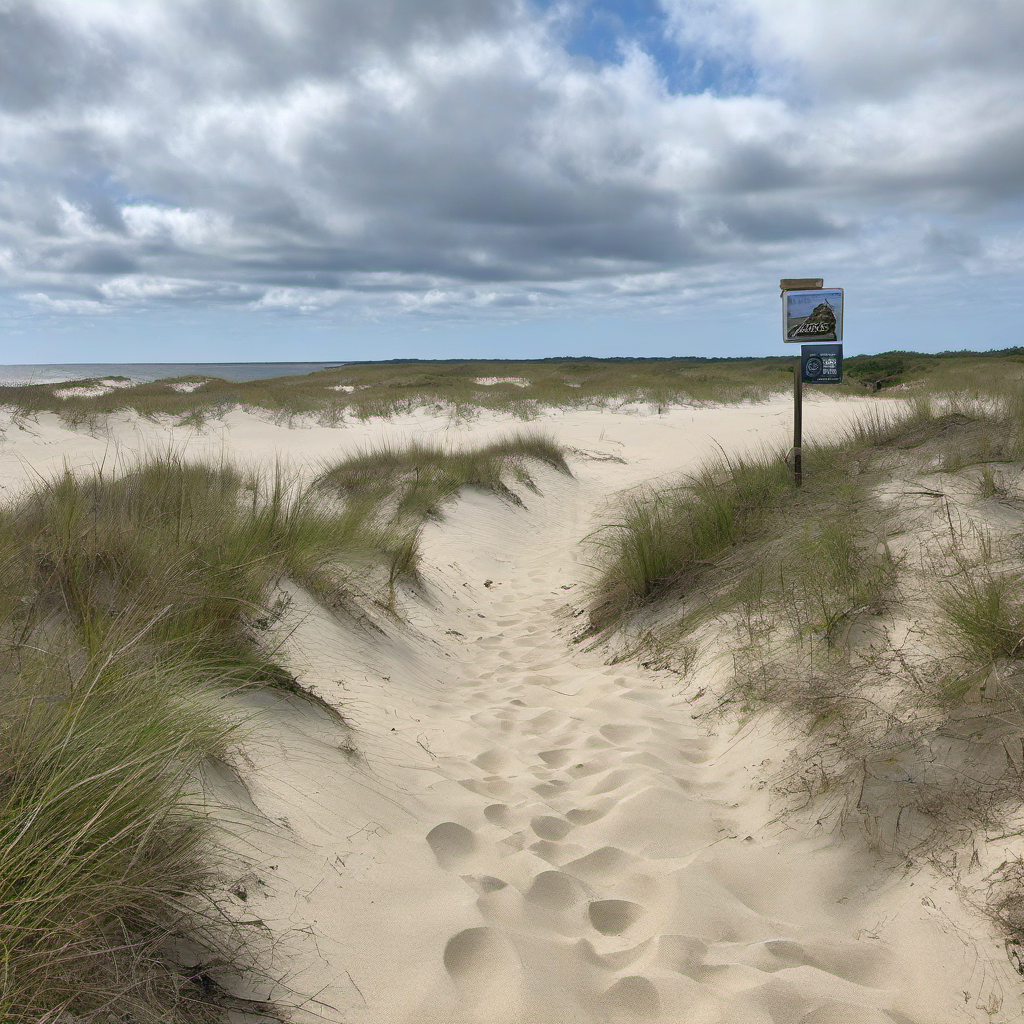
Assateague Island National Seashore’s Maryland District is a barrier-island landscape of ocean beach, dunes, salt marsh, coastal bay, and free-roaming horses near Berlin, Maryland. It is open year-round and offers strong wildlife and seascape photography, but the photograph never comes before wildlife distance or surf safety. Visitors must remain at least 40 feet from horses, and current conditions can change with wind, tide, insects, and overwash. This guide concentrates on a responsible day visit to the National Park Service district.
Assateague Maryland quick facts
- Operator
- National Park Service
- District
- Maryland District, Berlin
- Access
- Open year-round, 24 hours a day
- Vehicle fee
- $25 for a seven-day private-vehicle pass
- Visitor center
- 11800 Marsh View Lane; generally 9 a.m.–4 p.m.
- Wildlife distance
- At least 40 feet from horses
- Main hazards
- Surf, sun, heat, insects, wind, and changing barrier-island conditions
- Facts checked
- July 28, 2026
Where should a first photography stop begin?
Start at the Assateague Island Visitor Center before crossing onto the island if conditions or orientation are uncertain. The official operating-hours page lists exhibits, maps, restrooms, and staff information there. On the island, choose one ocean-side and one bay-side subject rather than chasing every horse report. The beach supplies open horizon and moving water; the bay and marsh offer quieter layers, grasses, birds, and reflected sky.
The current-conditions page should be checked on the day of travel. In July 2026, the park specifically warned about strong currents and recommended a U.S. Coast Guard-approved life jacket near the water. Lifeguard schedules do not make every stretch of beach guarded.
How do you photograph the horses responsibly?
Use distance as part of the composition. NPS requires at least 40 feet—about one bus length—from horses and advises backing away if wildlife approaches. A 200mm or longer lens is useful, but a phone photograph can still work by showing the horse within the dune or marsh landscape. Never move closer to remove background clutter, never feed or call to an animal, and keep food secured.
What light and equipment fit the island?
A sealed bag and lens cloth matter more than an oversized kit. Windblown sand can damage equipment, salt spray lowers contrast, and biting insects can make a marsh setup unpleasant. For surf, begin with a shutter speed that preserves some wave structure. For birds and horses, prioritize a fast enough shutter to freeze movement. A tripod is best reserved for a quiet, stable area where it does not block beach access.
How much does the visit cost?
The NPS fees page lists a $25 seven-day private-vehicle pass, a $20 motorcycle pass, and a $45 Assateague annual pass. Walking or bicycling visitors currently pay no per-person entrance fee. These fees and operating details can change, so use the official page rather than an old social post.
Related Maryland reading
For a mountain-waterfall contrast, use the Cunningham Falls guide. For an urban waterfront session with food and architecture, compare the Annapolis waterfront guide.